When a child receives an autism diagnosis, the whole family often feels like they’re stepping into a new world. While the focus naturally falls on the child who needs extra help, siblings are the unsung heroes who can either become the bridge that holds the family together or the quiet ones who drift apart. This article explores how to recognize the emotional currents that ripple through siblings, offers practical strategies to keep them engaged, and reminds us that a little humor and a lot of empathy Emotional regulation difficulties can go a long way.

Understanding the Diagnosis Process
The first time a clinician says, “We need to do a https://dominickzogp513.lowescouponn.com/how-to-get-an-autism-assessment-for-a-child-with-a-sensory-processing-disorder-in-australia comprehensive evaluation,” many parents feel a mixture of relief and dread. A formal autism diagnosis is not a verdict; it’s a roadmap. Knowing what to expect can reduce anxiety for everyone involved.
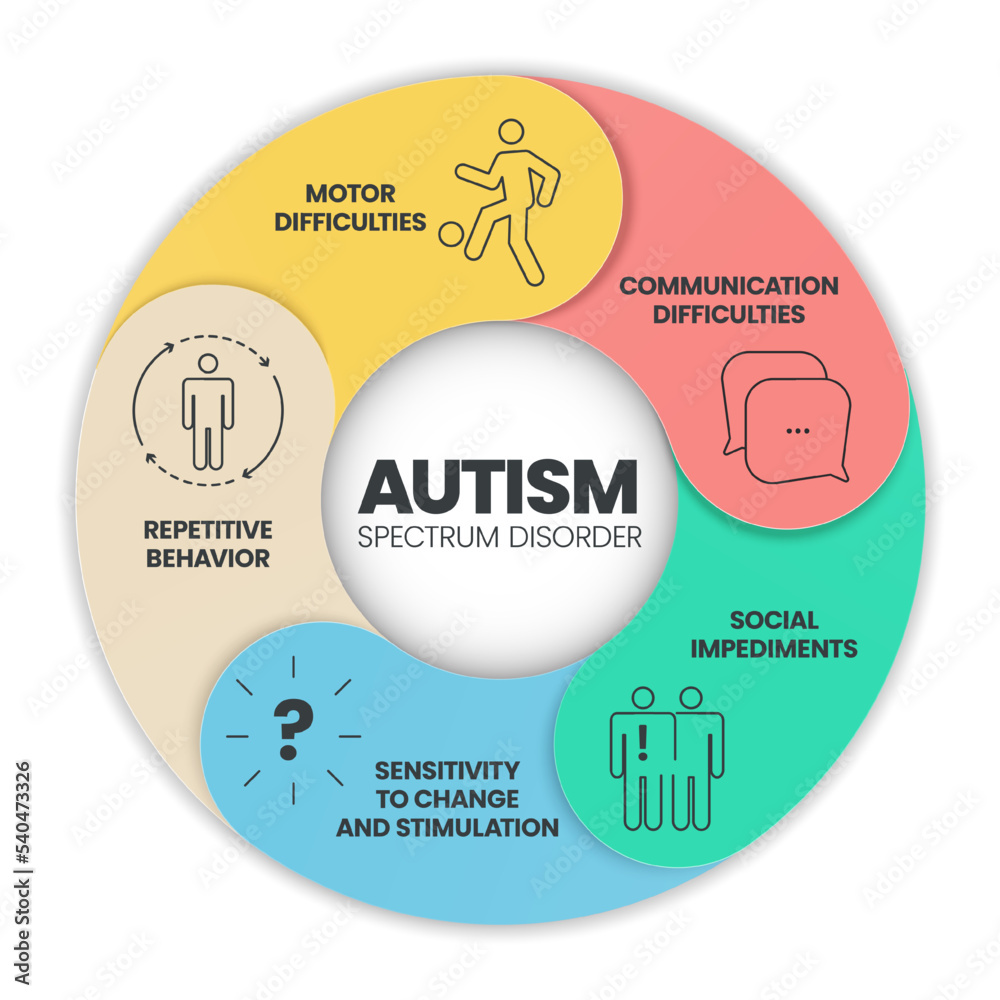
What Happens During an Evaluation?
- Clinical Observation – The child is watched in different settings to note communication, play, and social interaction. Standardized Testing – Tools like the ADOS-2 or Vineland assess developmental levels. Parent Interviews – Parents share developmental history, concerns, and family dynamics. Medical Screening – To rule out other conditions that might mimic autism.
Understanding each step helps parents explain the process to siblings in age‑appropriate ways. A child who sees the evaluation as a “special school test” is less likely to feel left out.
Communicating the Diagnosis to Siblings
A sibling’s first reaction may range from curiosity to confusion. The key is honesty wrapped in reassurance.
- Use Simple Language – “Your brother has a way of seeing the world that’s different, but he loves you just the same.” Encourage Questions – “What do you want to know about this?” Reaffirm Family Bonds – “We’re all in this together.”
Sometimes a lighthearted analogy helps. “Imagine a superhero who has a super‑special power that makes things a bit tricky but also super cool.” This keeps the tone positive while acknowledging the challenges.
The Impact on Siblings
Siblings often feel like they’re standing on a seesaw: the child’s needs shift the balance, and the sibling’s own emotions can swing wildly. They may experience:
- Jealousy or Resentment – “Why does all the attention go to him?” Anxiety or Guilt – “What if I’m not good enough?” Protectiveness – “I want to shield him from hurtful comments.”
These feelings are normal, but if left unaddressed, they can lead to behavioral issues or emotional withdrawal. Recognizing the signs early is essential.
A Small Anecdote
When I was ten, my brother was diagnosed with autism. I remember feeling like a secret agent, watching him struggle with a simple game. One afternoon, I whispered, “You’re a superhero, but even superheroes need a sidekick.” That simple line turned my frustration into a mission: to be his ally. The memory still reminds me that siblings can be the unsung heroes of the family story.
A Quote to Keep in Mind
> “The greatest gift we can give a child is to be present.” – Unknown
This quote reminds us that presence—listening, sharing, and simply being—often outweighs any tangible support we can offer.
Practical Ways to Offer Sibling Support
Helping a sibling navigate the aftermath of an autism diagnosis is like being a lighthouse in a storm: steady, reassuring, and always visible. Below are actionable steps that can make a real difference.
1. Create a Safe Space for Conversation
- Family Meetings – Set aside 10–15 minutes each week for everyone to share feelings. Journaling – Encourage writing thoughts down, especially if talking feels hard. Check‑In Cards – Simple sticky notes with prompts like “What made you happy today?”
2. Encourage Inclusive Activities
- Shared Hobbies – Find activities both children enjoy, like building LEGO sets or drawing. Role‑Playing Games – These can help siblings practice empathy and communication. Community Events – Attend family-friendly events that celebrate diversity.
3. Foster Sibling Bonding
- Buddy System – Pair siblings on small projects or chores. Story Time – Read books about family diversity to normalize differences. Celebration Rituals – Celebrate milestones together, no matter how small.
4. Offer Education About Autism
- Age‑Appropriate Resources – Use books or videos tailored to the sibling’s level. Ask Questions Together – Turn learning into a shared adventure. Encourage Empathy – Discuss how the diagnosis affects daily life.
5. Maintain Your Own Support
- Self‑Care – Parents and siblings alike need breaks. Professional Support – Family therapy can help navigate complex emotions. Peer Groups – Connect with other families who understand the journey.
Building a Support Network
A single family can’t hold the entire weight of an autism diagnosis. Building a network of allies—teachers, clinicians, extended family, and friends—creates a safety net that benefits everyone.
Who Should Be Involved?
- Teachers and School Counselors – They can monitor academic progress and social integration. Speech and Occupational Therapists – They often provide family education sessions. Pediatricians – Regular check‑ups keep medical concerns in check. Community Organizations – Local autism support groups offer shared experiences.
How to Leverage the Network
- Regular Updates – Keep everyone informed about goals and challenges. Ask for Help – Don’t hesitate to request extra support during stressful times. Share Resources – Distribute helpful articles, books, or workshop information.
When to Seek Professional Help
Sometimes the emotional tide can feel too high to navigate alone. Knowing when to call in professionals is a vital skill.
- Behavioral Outbursts – Frequent tantrums or aggression may signal underlying stress. Academic Decline – Noticeable drops in school performance can indicate unmet needs. Severe Anxiety or Depression – Persistent worry or sadness in siblings or parents. Family Conflict – Persistent arguments or resentment that disrupt daily life.
Therapists, psychologists, and family counselors are equipped to offer strategies tailored to each family’s unique dynamics.
Moving Forward Together
Life after an autism diagnosis doesn’t end with a diagnosis—it begins a new chapter. Siblings can become anchors, guiding their family toward resilience and growth.
Small Steps, Big Impact
- Celebrate Small Wins – A new word spoken, a game mastered, a shared laugh. Keep the Conversation Open – Even a quick “How’s your day?” can mean the world. Practice Patience – Growth takes time; be gentle with yourself and others.
A Final Thought
Imagine your family as a garden. The autistic child is a unique plant that needs special care, but the siblings are the soil, the light, and the rain that nurture it. With the right support, every member can flourish.
If you’re ready to start this journey, consider reaching out to a local autism support organization or scheduling a family counseling session. The first step often feels the hardest, but it’s also the most rewarding. Together, you can turn the challenges of an autism diagnosis and sibling support into a story of strength, empathy, and shared triumph.